


Medical Practice Management
Cloud Based Practice Management Software: Secure Solution for Healthcare
6 November 2024

Introduction:
In today’s rapidly evolving healthcare environment, cloud-based technologies are playing a crucial role in streamlining medical practices. From large hospitals to small clinics, medical professionals are embracing cloud-based practice management software (MPM) to enhance operations, patient care, and overall efficiency. Traditional systems, often bogged down by cumbersome hardware, are now giving way to agile, flexible cloud solutions that cater to the dynamic needs of healthcare providers.
What is Cloud-Based Practice Management Software?
Cloud-based practice management software refers to a digital solution that allows healthcare providers to manage appointments, billing, patient records, and communication from a centralised platform, accessible via the internet. Unlike traditional systems, which are installed on in-house servers, cloud-based software is hosted on remote servers, ensuring that data is securely stored and can be accessed from any location. This shift to the cloud eliminates the need for heavy IT infrastructure, making it a cost-effective and scalable option for healthcare providers of all sizes.
The Old Way: On-Premises Server Setup in Medical Practices
Before cloud-based solutions, medical practices typically relied on on-premise server setups to manage their operations. This method involved housing physical servers within the practice to store data and run software applications. However, it came with several challenges:
- High Costs: On-premise setups required significant upfront investment in hardware, ongoing maintenance, and dedicated IT support.
- Limited Scalability: Expanding server capacity was expensive and complicated.
- Restricted Accessibility: Data could only be accessed from the practice's location, limiting remote work flexibility.
- Security Risks: Practices were responsible for implementing their own data security, making them vulnerable to breaches or data loss.
- Frequent Downtime: Server malfunctions or power outages could cause critical disruptions, halting operations until the issues were resolved.
These limitations make cloud-based practice management solutions a more efficient, cost-effective, and secure alternative.
9 Game-Changing Ways Cloud-Based MPM Software Transforms Medical Practices
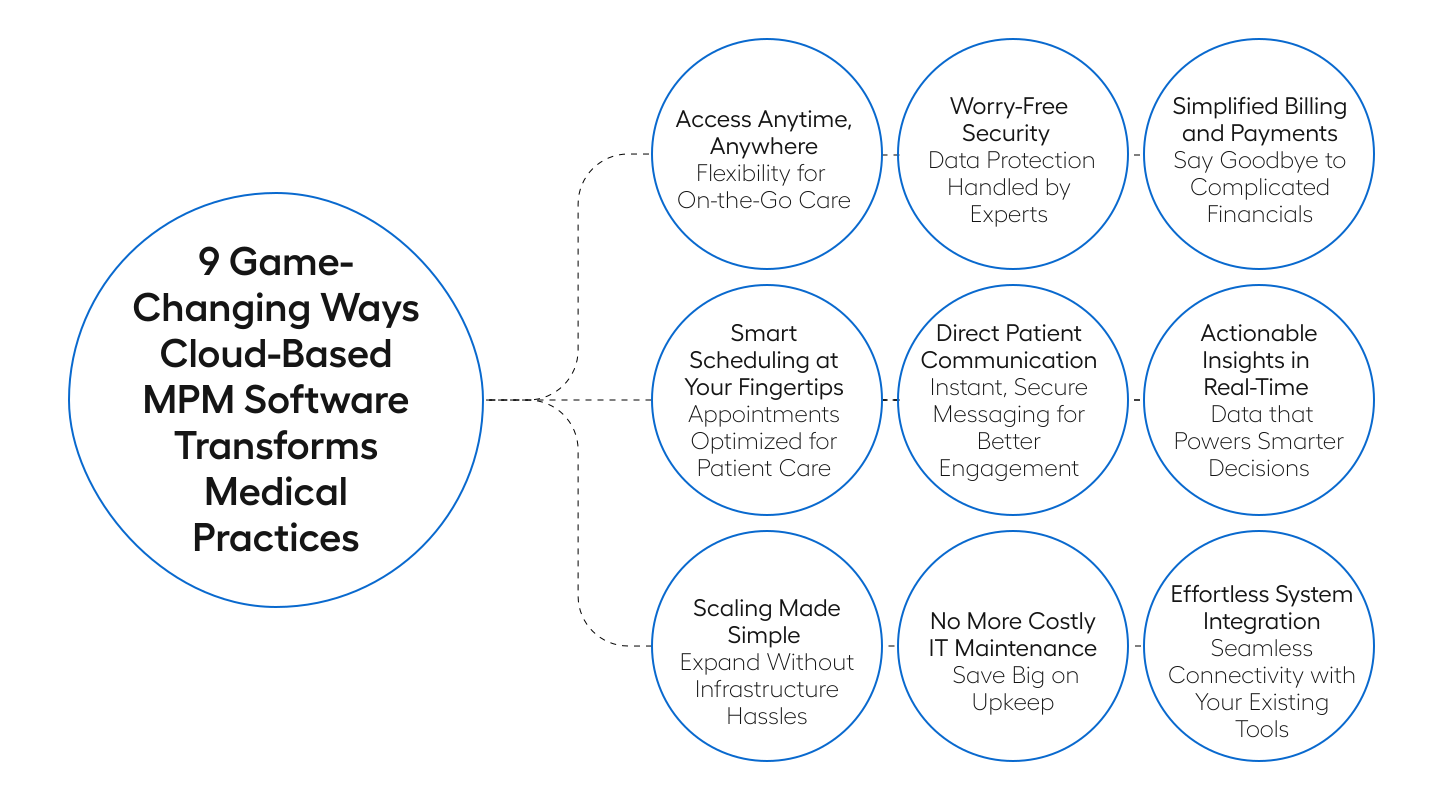
Modern healthcare requires efficiency and seamless coordination, and cloud-based MPM software brings numerous advantages over older methods:
Access Anytime, Anywhere – Flexibility for On-the-Go Care:
With cloud-based solutions, medical professionals can access critical patient data, billing information, and schedules from any location, at any time, provided there’s internet access. This flexibility enables remote consultations and improves the responsiveness of healthcare providers, especially in emergencies.
Worry-Free Security – Data Protection Handled by Experts:
Cloud-based MPM software provides robust security measures, including encryption, secure logins, and regular data backups. These systems are built with compliance in mind, ensuring that patient information is handled according to stringent regulations such as the General Data Protection Regulation (GDPR) in the UK. This level of security reduces the risk of data breaches and helps healthcare providers maintain patient trust.
Simplified Billing and Payments – Say Goodbye to Complicated Financials:
A major pain point for many healthcare providers is billing. Manually handling payments can be time-consuming and prone to errors, leading to delayed payments and incorrect charges. Cloud-based MPM software automates these processes, generating invoices, tracking payments, and managing insurance claims efficiently. The software can also send automated reminders for overdue payments, helping practices maintain a healthy revenue stream.
Smart Scheduling at Your Fingertips – Appointments Optimized for Patient Care:
The right scheduling system can significantly reduce the chaos in a busy practice. Cloud-based MPM software automates appointment scheduling, ensuring there are no double bookings or missed slots. It also provides patients with the ability to book appointments online, reducing phone call volume and improving the patient experience.
Direct Patient Communication – Instant, Secure Messaging for Better Engagement:
Communication is crucial to patient satisfaction. With built-in secure messaging features, cloud-based MPM software enables practices to communicate with patients efficiently, whether it's sending appointment reminders, follow-up instructions, or handling patient queries. Secure messaging ensures patient confidentiality while enhancing engagement.
Actionable Insights in Real-Time – Data that Powers Smarter Decisions:
Cloud-based solutions offer integrated reporting and analytics features that give healthcare providers detailed insights into practice performance. Whether it’s tracking patient flow, financial health, or treatment outcomes, having access to real-time data helps providers make informed decisions and identify areas for improvement. These insights are critical in today’s data-driven world, allowing practices to stay competitive and patient-centric.
Scaling Made Simple – Expand Without Infrastructure Hassles:
One of the biggest advantages of cloud-based software is its scalability. As a practice grows, so do its operational needs. Cloud-based MPM systems are highly scalable, meaning they can easily adjust to the increasing number of patients, staff, or services. Many platforms also offer customisable features to suit the unique needs of different medical practices, from general practitioners to specialised clinics.
No More Costly IT Maintenance – Save Big on Upkeep:
Traditional on-premises software requires significant upfront investment in hardware, IT staff, and regular maintenance. Cloud-based solutions, operating on a subscription-based model, eliminate the need for these costly infrastructureseliminate only reduces upfront costs but also offers predictable expenses, allowing medical practices to better manage their budgets.
Effortless System Integration – Seamless Connectivity with Your Existing Tools:
Cloud-based MPM software can integrate with other healthcare systems such as Electronic Health Records (EHR), billing software, and even telehealth platforms. This integration streamlines workflows and reduces the need for duplicative data entry, allowing healthcare providers to focus more on patient care rather than administrative tasks.
Unlock the Potential of Cloud Based Practice Management Software with Salutem
The healthcare landscape is shifting towards cloud-based solutions, offering unparalleled flexibility, security, and efficiency for medical practices. With a solution like Salutem, healthcare providers can leverage these benefits to optimise their operations. From improving appointment scheduling and secure communication to automating billing and providing valuable insights through data analytics, Salutem empowers medical professionals to focus on patient care. By integrating these features into a scalable, cloud-based system, Salutem ensures that healthcare practices are well-equipped to thrive in an increasingly digital world.
You may also like..


Subscribe to Maillist!
Subscribe to the Salutem newsletter to recieve the latest article insights to your inbox